

You're using an outdated browser. Please upgrade your browser to improve your experience.

Using herbs for health in your winter soup
May 20th, 2025 + The Naturopathic Co.
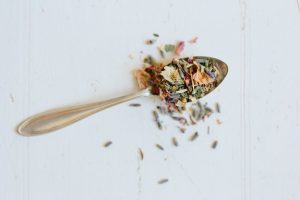
Here are some ideas for medicinal herbs you can add into your winter cooking

Vegetable Stock Paste Recipe

Ingredients:

  • 200g Lovage (or celery or a mix of both)
  • 2 carrots
  • 1 brown onion
  • 1 fresh tomato
  • 1 zucchini
  • 2 garlic cloves
  • 1 dried bay leaf
  • 1-2 sprigs of fresh oregano
  • 1-2 sprigs of fresh sage
  • 8 sprigs fresh flat-leaf parsley
  • 100 g Sea salt
  • 1 Tbsp Olive oil
 
Method:
  1. Add olive oil to bottom of a large & heavy-based pot with lid.
  2. Roughly chop all ingredients and add to the pot.
  3. Add salt and stir through for a minute or so that the vegetables start to release their juices.
  4. Cook on low heat for 45-50 mins with the lid on but slightly ajar. You want to have the vege sweat but also start slowly evaporating the juices. Your vege should be relatively juiceless at the end of the cooking time. If not take the lid off and give it a few more minutes.
  5. Depending on your cooktop’s reliability, stir from time to time to avoid the vege catching.
  6. Allow to cool slightly and then blend until smooth.
  7. Spoon into clean jars.


Basil

contributes a sweet, slightly minty flavour to soups, making it a perfect addition to tomato-based soups.
Use in: Minestrone, tomato bisque, zucchini soup, Thai coconut soup and tom yum.
  • Antioxidant & Anti-inflammatory: Rich in flavonoids and essential oils (e.g., eugenol) that reduce oxidative stress.

  • Digestive aid: Can help reduce bloating, gas, and stomach cramps.

  • Antimicrobial: Inhibits growth of some bacteria and fungi.

  • Adaptogenic: Traditionally used to reduce stress (especially Holy Basil/Tulsi).

Rosemary

has a robust, pine-like flavour that stands up well in hearty soups. Great for winter soups.
Use in: minestrone, lentil, white bean soups, or soups featuring lamb or chicken, root vegetable soups and pumpkin soup.
  • Cognitive support: Contains carnosic acid and rosmarinic acid, shown to support memory and focus.

  • Circulatory stimulant: Traditionally used to improve circulation.

  • Digestive benefits: Helps relieve indigestion and supports bile production.

  • Antimicrobial & anti-inflammatory: Supports immune health and reduces inflammation.

Fennel

has a mild, slightly sweet, licorice-like flavour, and it goes well in creamy or tomato-based soups.
Use in: creamy fish or chicken soups, minestrone or curry-based soups.
  • Digestive tonic: Relieves bloating, gas, and cramping (commonly used for infant colic too).

  • Hormonal support: Contains phytoestrogens that may ease menstrual discomfort.

  • Respiratory aid: Used to loosen mucus in coughs and colds.

  • Antimicrobial: Supports gut and immune health.

Thyme

gives soups a subtle, dry herby and slightly minty flavour. It is great in almost every soup.
Use in: various poultry and vegetable soups, mushroom soup and Jerusalem artichoke soup.
  • Antimicrobial powerhouse: High in thymol, effective against bacteria, viruses, and fungi.

  • Respiratory health: Helps clear mucus, relieve coughs, and support bronchial health.

  • Digestive support: Stimulates digestion and reduces gut pathogens.

  • Anti-inflammatory: Supports immunity and reduces oxidative stress.

Tarragon

offers a sweet, anise-like flavour, which can bring a unique twist to various soups.
Use in: cream or chicken-based soups. Adds a different flavour to pumpkin soup.
  • Digestive aid: Stimulates appetite and reduces indigestion.

  • Antimicrobial: Helps protect against infections.

  • Anti-inflammatory: Contains compounds that soothe inflammation.

  • Traditional use: Sometimes used for toothache and mild pain relief.

Mint

adds a fresh, cool flavour to soups, making it particularly suitable for lighter, summery soups.
Use in: cold or chilled soups such as cucumber yoghurt soup, Lamb based soup and Middle Eastern and North African soup recipes.
  • Digestive support: Relieves bloating, gas, nausea, and may ease IBS symptoms.

  • Respiratory aid: Cooling and decongestant effects, helpful for colds and sinus congestion.

  • Headache relief: Can reduce tension headaches when used as peppermint oil.

  • Antimicrobial: Supports oral health and freshens breath through antibacterial action.

Chives

lend a mild, onion-like flavour to soups.
Use in: potato and cream-based soups, broccoli and cheddar soup. They also work well as a garnish on top of various soups for an added touch of flavour.
  • Cardiovascular support: Mild effects similar to garlic (though weaker) — may support circulation.

  • Antioxidant-rich: Contains quercetin and sulfur compounds.

  • Digestive stimulant: Enhances appetite and digestion.

  • Immune support: Mild antimicrobial and immune-boosting properties.

 

Yvette is a qualified Naturopath and Nutritionist, MINDD Practitioner, member of the Naturopaths and Herbalists Association of Australia.

Yvette specialises in the treatment of gut health and digestive complaints, skin issues, mood disorders, hormonal concerns, fatigue, and more.

Yvette consults Australia-wide. 



To treat health issues from the underlying cause, make time to see our South Yarra naturopath,  Brisbane naturopath, Sydney Naturopath, Perth Naturopath, Hobart Naturopath, or Adelaide Naturopath.

We offer services in major cities across Australia

The Naturopathic Co. 2025 Melbourne NaturopathSouth Yarra Naturopath, Naturopath Sydney, Naturopath Perth, Naturopath Adelaide, Naturopath Canberra, Naturopath Gold Coast, Naturopath Sunshine Coast, Naturopath Brisbane, Naturopath Cairns. Best Naturopath Melbourne Gut Health Naturopath, Naturopath Near Me, Gut Naturopath Melbourne, Natural Health Melbourne

Comments are closed.

Follow Us

Copyright 2025 THE NATUROPATHIC CO.  / /  Fuelled by ABN 28146276489