
The Naturopathic Co.
You're using an outdated browser. Please upgrade your browser to improve your experience.
Iron deficiency is a prevalent nutritional concern worldwide, especially among women.
While iron is crucial for various bodily functions, including transporting oxygen and supporting metabolism, many women often find themselves deficient in this vital mineral. Here are some reasons why:
One of the primary reasons for low iron levels in women is menstruation. Women lose blood each month during their menstrual cycle, resulting in a gradual depletion of iron stores over time. Heavy menstrual bleeding, in particular, can significantly contribute to iron deficiency. Any dysfunction in the menstrual cycle causing heavy bleeding or having a short cycle (and bleeding too often) should be addressed in order to stabilise iron levels.
Hepcidin is the key hormone that regulates iron absorption in the body. When hepcidin levels are high, it signals the gut and liver to reduce iron uptake and trap iron in storage sites, leading to low circulating iron. Conversely, when hepcidin is low, the intestines absorb more iron from food and stored iron is released into the bloodstream. In chronic inflammation and some autoimmune conditions, hepcidin can become abnormally elevated, which contributes to iron deficiency and fatigue despite adequate dietary intake.
Taking iron supplements every second day, rather than every day, allows hepcidin to drop and therefore absorb more iron.
Vitamin C plays a crucial role in iron absorption. It converts iron from plant sources (non-heme iron) into a form that is easier for the body to absorb in the gut. When vitamin C levels are low, this conversion is impaired, meaning less dietary iron is taken up, even if intake is adequate. Over time, low vitamin C can therefore contribute to iron deficiency, fatigue, and poor immune resilience. Best to take vitamin C alongside iron supplements and non-heme sources of iron.
Despite the abundance of iron-rich foods, many women fail to consume an adequate amount in their diet. This could be due to various reasons such as dietary restrictions, limited access to nutritious foods, or simply unawareness of the importance of iron-rich foods. While plant-based diets can be healthy, they may lack heme iron, which is more readily absorbed by the body compared to non-heme iron found in plant sources. Vegetarian and vegan women need to pay extra attention to incorporating iron-rich plant foods such as lentils, beans, spinach, and fortified cereals into their diets to prevent deficiency.
Certain gastrointestinal conditions such as celiac disease, inflammatory bowel disease (IBD), or gastrointestinal bleeding can interfere with iron absorption or lead to blood loss, resulting in iron deficiency anemia.
Women who engage in intense physical activity, such as endurance athletes or those training rigorously, may have increased iron requirements. Without adequate replenishment, this can lead to low iron levels over time.
Certain medications, such as proton pump inhibitors (used to treat acid reflux) and aspirin, can interfere with iron absorption or increase the risk of gastrointestinal bleeding, contributing to iron deficiency.
In some cases, genetic factors can predispose women to iron deficiency.
Recognising the reasons for low iron in women is crucial for prevention and management. A balanced diet rich in iron-containing foods, regular screening for iron deficiency, and addressing underlying health conditions are essential steps in ensuring optimal iron levels and overall well-being for women.
If you’re interested in learning how naturopathy can support your health, book with our Naturopath in Melbourne. We’ll guide you through the process, explain dietary recommendations, and provide you with a comprehensive treatment plan to start your health reset! Book below.
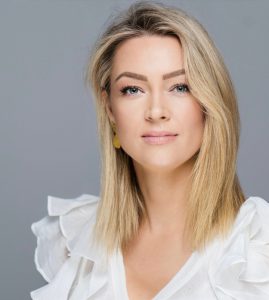
Yvette is a qualified Naturopath and Nutritionist, MINDD Practitioner, member of the Naturopaths and Herbalists Association of Australia.
Yvette specialises in the treatment of gut health and digestive complaints, skin issues, mood disorders, hormonal concerns, fatigue, and more.
Yvette consults Australia-wide.

To treat health issues from the underlying cause, make time to see our South Yarra naturopath, Brisbane naturopath, Sydney Naturopath, Perth Naturopath, Hobart Naturopath, or Adelaide Naturopath.
We offer services in major cities across Australia
Comments are closed.